
Definition
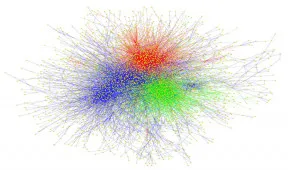
The human genome project promises to reform the way we understand the nature of diseases, thus helping us develop prevention and cures for many diseases. However, genome-wide association studies (GWAS) have only been able to account for a minority of disease risk, and the other causes are inherently environmental. The human exposome is the environmental equivalent of the human genome. It encompasses what we refer to as "nurture", and represents the complex exposures we are subjected to throughout our lives, including our diet, lifestyle factors, and social influences. The term "exposome" was coined by Dr. Christopher Wild at the International Agency for Research on Cancer, the World Health Organization.

Vision
Several academic and government laboratories across the world are collecting data that can contribute to our understanding of the exposome. Our goal is to bring these investigators together to formulate a plan to define the exposome in a way that is useful to those in health care and public health, to identify gaps in knowledge or technique, and to help develop a new generation of scientists who focus on these complex environmental influences on health. The Human Exposome Project will build upon the already existing resources and work to identify additional funding to pursue the important questions in the field.
Need
The rapid advancement in the areas of genetics and genomics has transformed our understanding of human biology. Quantitative data on the environmental factors that influence health are desperately needed. The Human Exposome Project can help provide this important information in a form that can be used to directly impact human health.